
What is Sarcopenia?
Sarcopenia is a syndrome among the elderly with progressive loss of muscle mass and lowered muscle function.
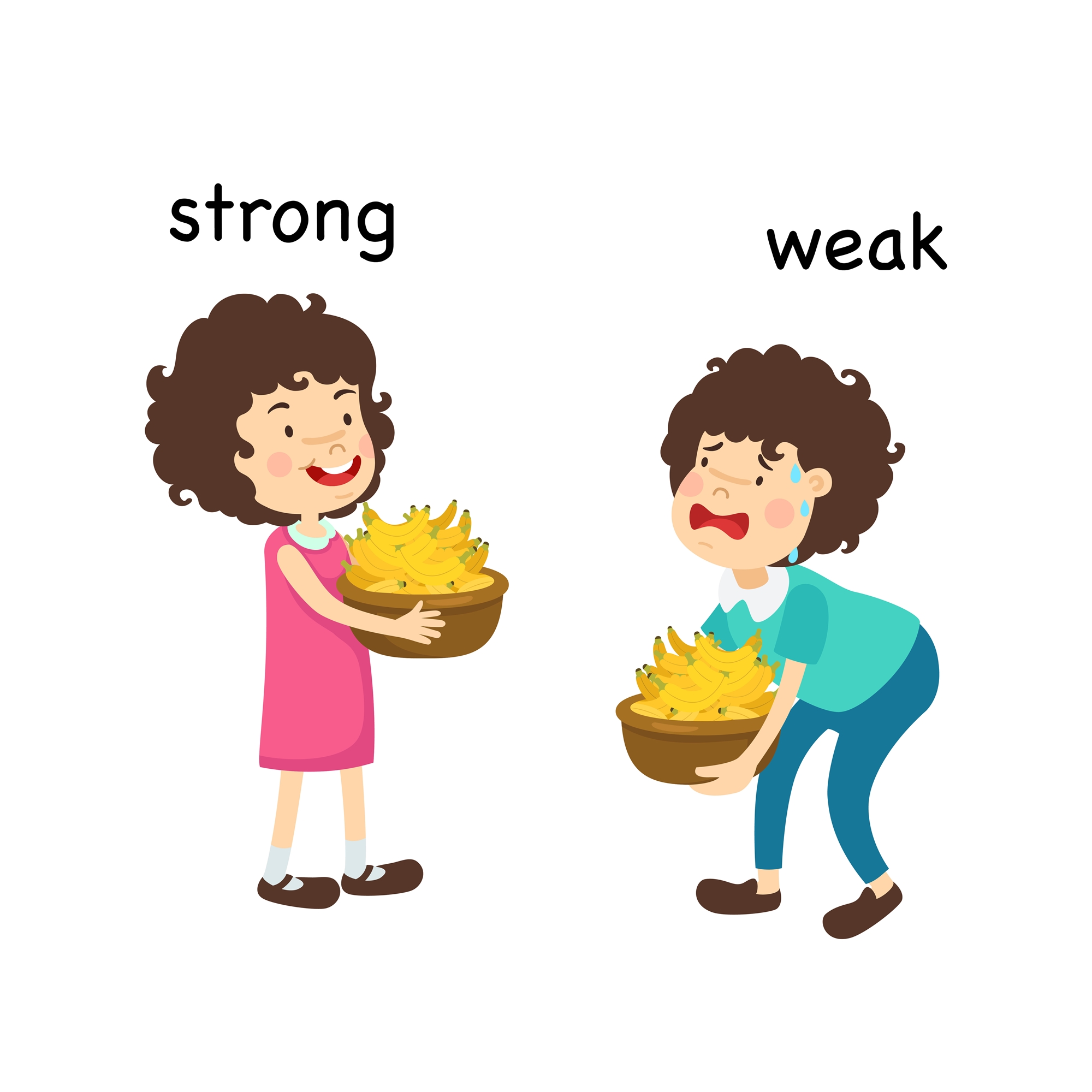
In the aging process, physiological conditions eventually degenerate. Moreover, elderly person often suffer from multiple chronic diseases and defects in physical functions that speed up the loss of muscle mass, resulting inconvenience in life. For example, walking slowly or walking like a snail, sudden weakness of legs and inability to lift heavy objects (weak arms) that could be signs of sarcopenia.
According to the consensus of the Asian Sarcopenia Working Group (AWGS 2025), the focus has shifted from "simply treating the disease" to "promoting muscle health throughout the entire life cycle." In addition to the original focus on the elderly aged 65 and above, the new consensus specifically expands the focus to the middle-aged population aged 50–64, emphasizing early screening and intervention.
Influence of sarcopenia
In general, the muscle tissue is reduced by 1-2% every year from 30 years old and the speed of reduction will increase after 60 years old.
Sarcopenia could increase disease incidents and reduce living quality, which is also a risk factor to subsequent adverse health incidents (like disability, fall, hospitalization, and death). The National Health Research Institutes predicted approximately 7.3% of Taiwanese aged over 65 years old to suffer from sarcopenia.
For middle-aged people aged 50-64 who are entering old age, early detection of "muscle health risks" and preventive intervention are important factors in preventing sarcopenia in the elderly.
How is sarcopenia defined?
- According to AWGS 2025, specific numerical standards have been set for different age groups. Pay special attention to the newly added ASM/BMI indicators, which better reflect the impact of body shape on muscle mass.
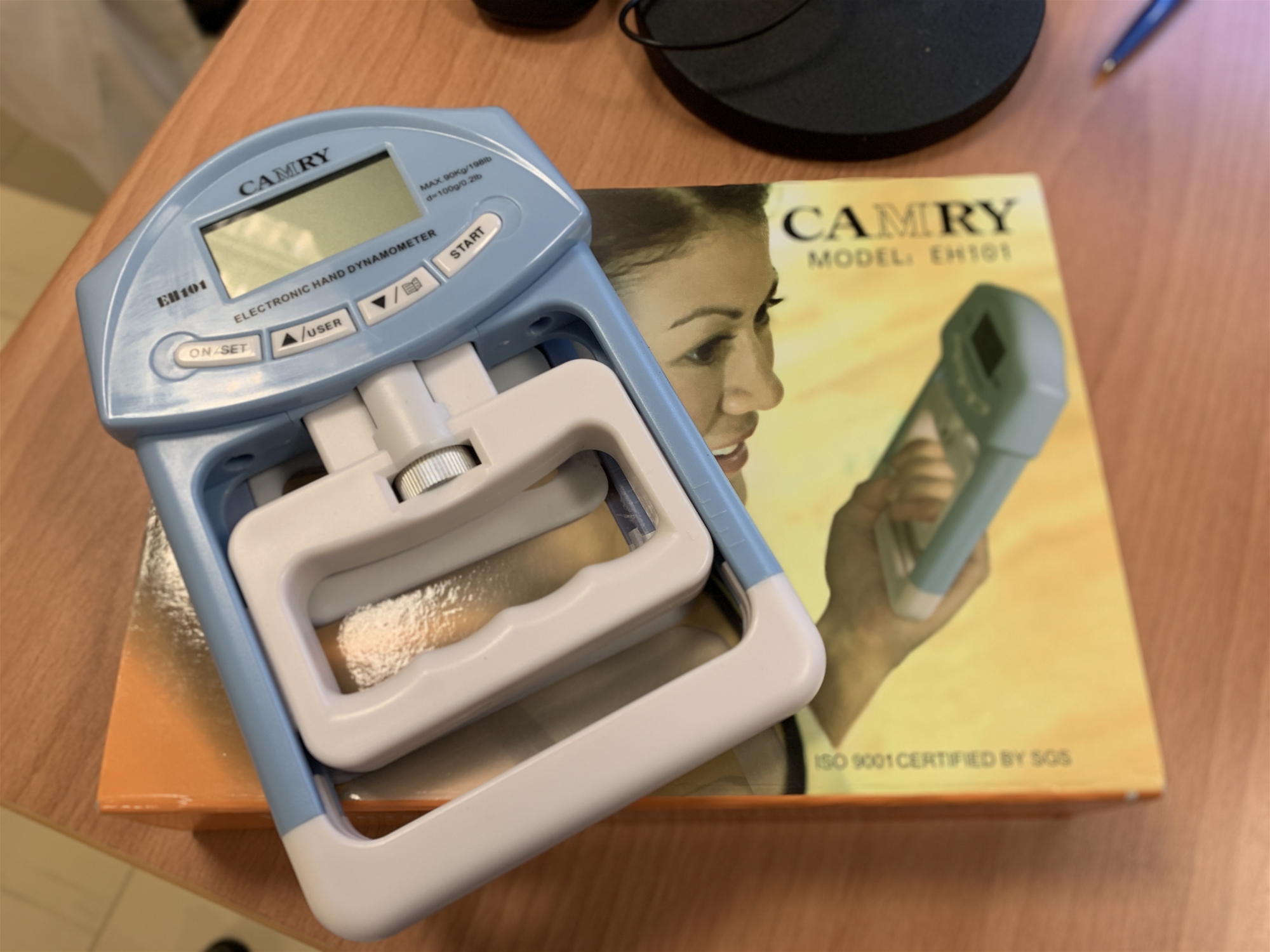
- Handgrip Strength
|
Age group
|
male (kg)
|
female (kg)
|
|
50–64 years old
|
< 34.0
|
< 20.0
|
|
≥ 65 years old
|
< 28.0
|
< 18.0 |
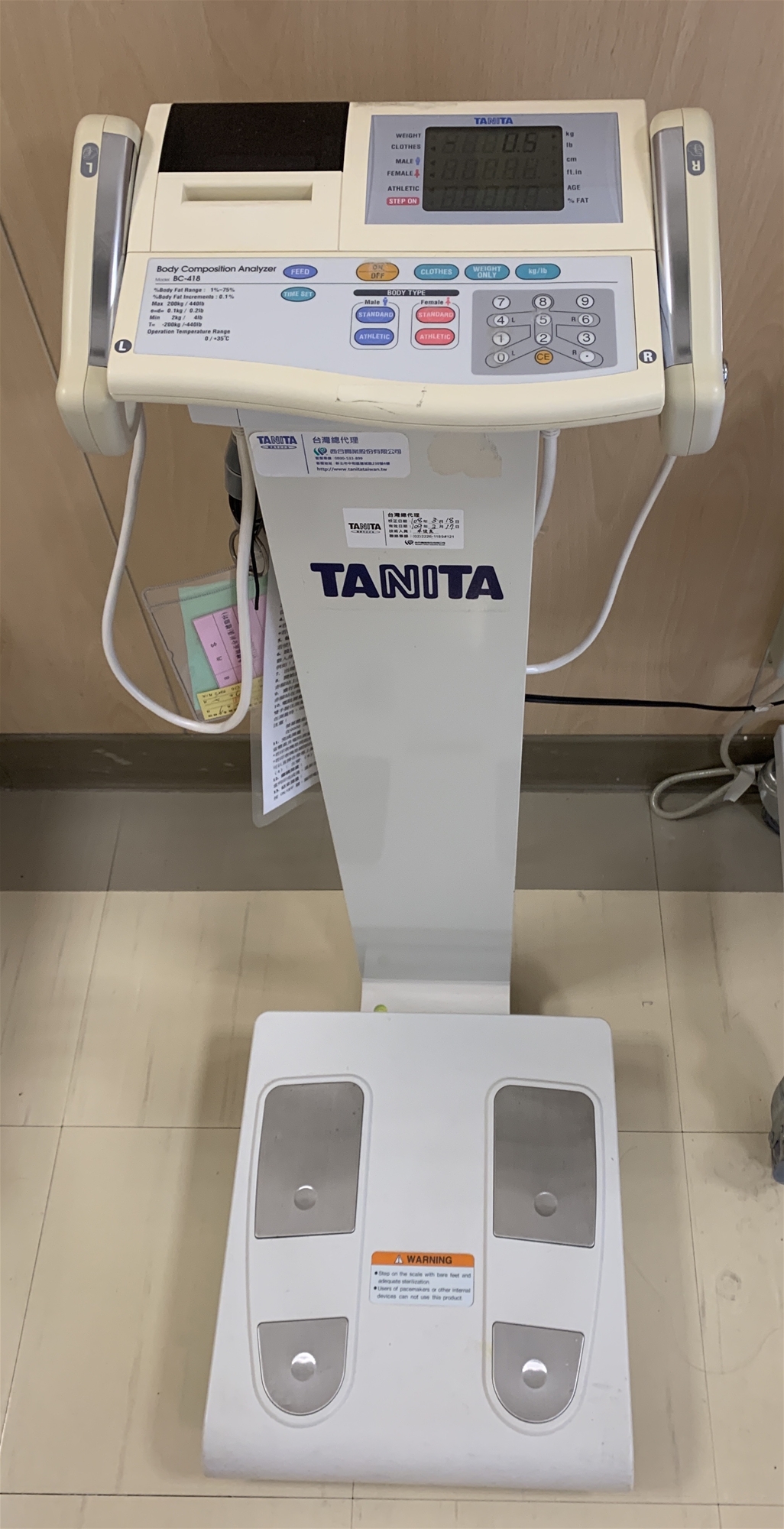
- muscle quality (Bioelectrical Impedance Analysis)
| Index | Age group | male | female |
| ASM/ height ² (kg/m²) | 50–64 years old | < 7.6 | < 5.7 |
| ≥ 65 years old | < 7.0 | < 5.7 | |
| ASM/BMI | 50–64 years old | < 0.90 | < 0.63 |
| ≥ 65 years old | < 0.83 | < 0.57 |
 |
 |
|
Bioelectrical Impedance Analysis
|
Hand Grip
|
How to improve?
- Appropriate intake of food with high biological value protein, includes bean products, fish, egg, and meat. You can refer to the ingredient substitution chart and dietary guidelines from the Ministry of Health and Welfare, or consult with Professional nutritionist to receive personalized dietary advice.
- Enjoy sunlight for 15 minutes in the morning or at dusk daily to facilitate the biosynthesis of active vitamin D3, which will improve the muscle function and mass, and prevent osteoporosis.
- Exercise is key to maintaining vitality and a healthy body. Encouraged to exercise at least 3 times a week, such as aerobic exercises, walking, flywheel riding, swimming, muscular training and stretch exercises for lower extremities. Middle-aged people are advised to focus on resistance training. If any discomfort occurs during the process, professional assistance should be sought to avoid accidents.
 開關
開關
 首頁
首頁
 Facebook
 Instagram
 體系醫院
體系醫院
 中國醫點通
中國醫點通