
 Switch
 Homepage
 facebook
 IG
IG
 Other Hospital
 CMUH App

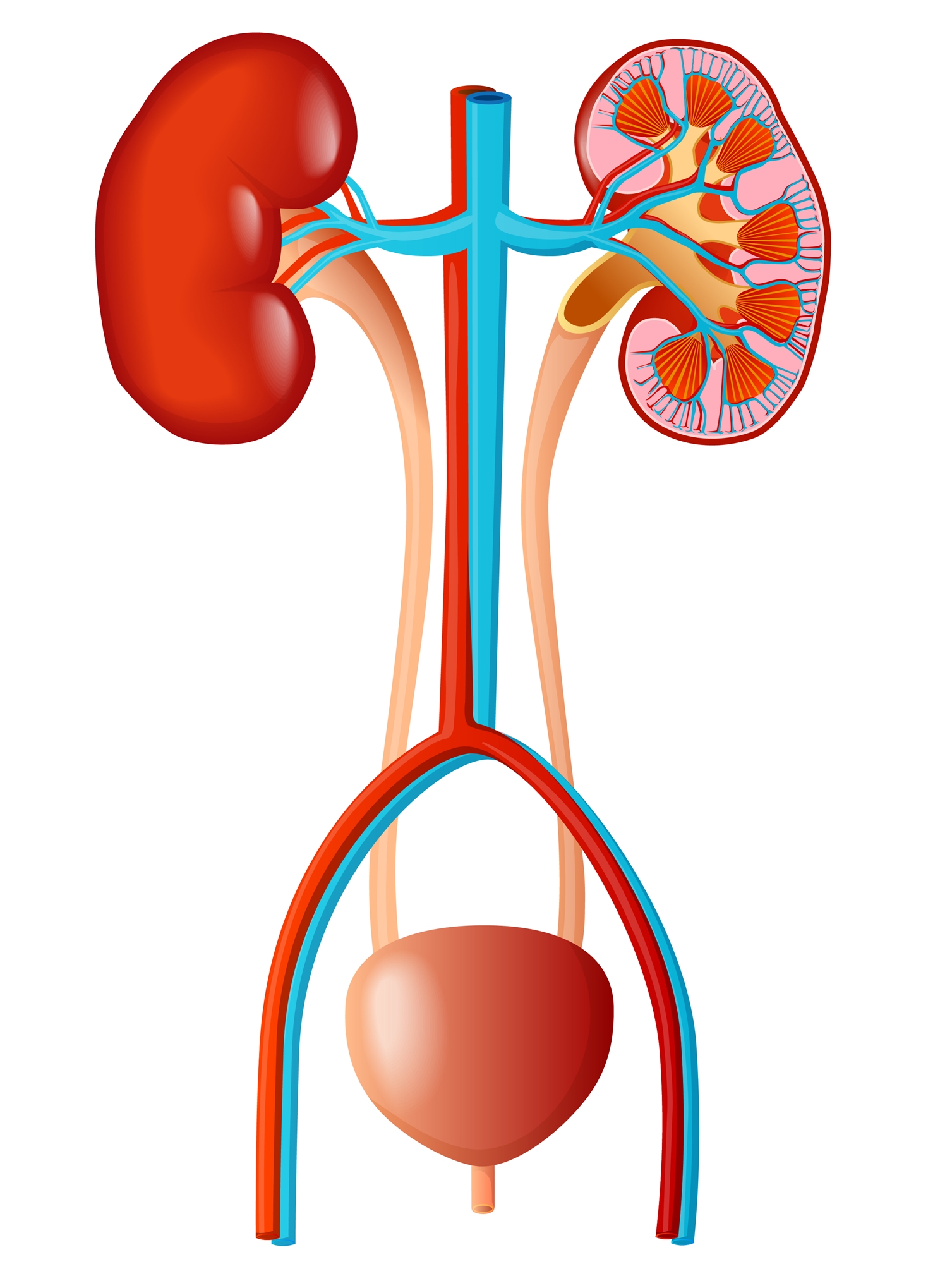
Urinary tract infection refers to an infection in any tissue or organ within the urinary system, including the kidneys, ureters, bladder, and urethra, all of which can be termed as urinary tract infections.
Symptoms
The most common symptoms in infants are fever, decreased appetite, poor energy, restlessness and crying, or even vomiting, jaundice, etc. Older children may experience symptoms such as painful urination, frequent urination, urgency, burning sensations, nocturia, hematuria, lower abdominal pain, urinary incontinence, fever, or lower back soreness.
Diagnostic Examinations
- Urinalysis and Urine Culture: To check for infection in the urine and identify the type of bacteria.
- Renal Ultrasound: To check for structural abnormalities, hydronephrosis, renal pelvic or ureteral dilatation, or other urinary tract abnormalities.
- Voiding Cystourethrogram (VCUG): To check for vesicoureteral reflux (urine backflow into the ureters), bladder reflux, or urethral malformations. This is not required for every pediatric patient with a urinary tract infection; it is usually determined by age, whether the infection is recurrent, the severity of the infection, and ultrasound results.
- Dimercaptosuccinic Acid (DMSA) Renal Scan: To evaluate renal cortical involvement or scarring after urinary tract infection. Whether to schedule this scan is determined by the physician based on clinical conditions and follow-up needs.
Treatment
For newborns, young infants, or children with severe illness, suspected pyelonephritis, poor oral intake, vomiting, or concern for sepsis, hospitalization for intravenous antibiotic therapy may be recommended. The treatment duration depends on the site of infection, severity, pathogen, and clinical response, and may include intravenous followed by oral antibiotic therapy. On the other hand, older children and adolescents without systemic symptoms can receive oral antibiotic treatment in an outpatient setting. If an underlying congenital urinary system abnormality is detected through examination, long-term prophylactic antibiotic therapy or surgical correction may be required based on its severity. If there are no recurrent infections or significant urinary system abnormalities, long-term prophylactic antibiotics are generally not necessary.
Home Care Precautions
- Diapers should be changed frequently to reduce the risk of urinary tract infections.
- Encourage toddlers and children to urinate regularly and avoid holding urine.
- Girls should pay attention to keeping the perineal area clean. When cleaning, wipe from the urethral opening toward the anus—from top to bottom or from front to back—to reduce the risk of retrograde infection.
- Boys should pay attention to the cleanliness of the foreskin area to prevent bacterial infection. If the foreskin has not yet naturally separated, it should not be forcibly pulled back for washing.
- It is best to take baths by showering. If a sitz bath or tub bath is unavoidable, do not soak for too long.
- Replenish plenty of fluids and avoid constipation.
- If a child develops fever without an obvious cause, painful urination, vomiting, poor activity, or recurrent urinary symptoms, seek medical attention promptly and do not stop antibiotics without medical advice.
- For congenital urinary system abnormalities, regular follow-up examinations should be performed.
 Facebook
 IG
IG
 YouTube