
 Switch
 Homepage
 facebook
 IG
IG
 Other Hospital
 CMUH App

Foreword
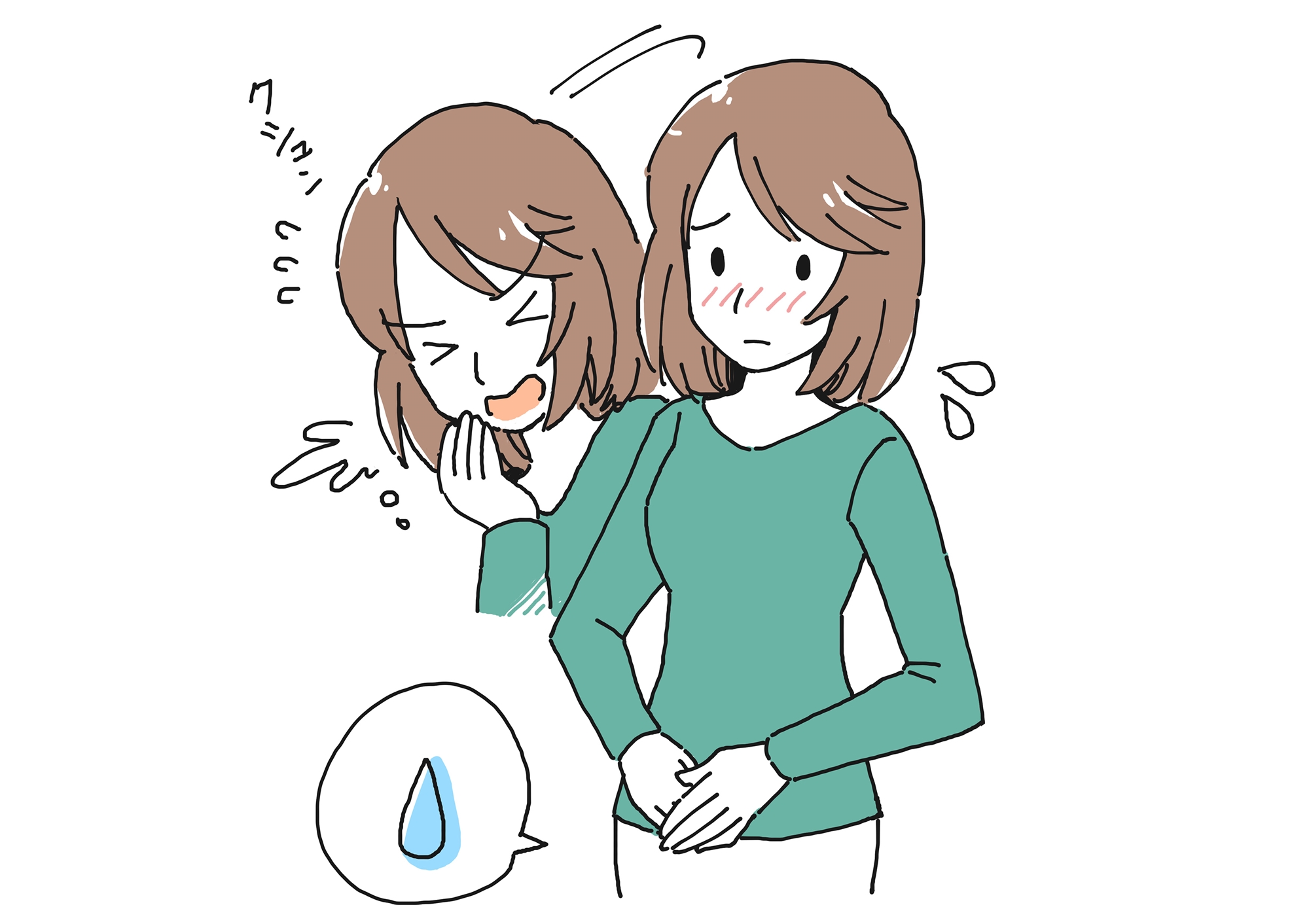
Stress urinary incontinence refers to involuntary urine leakage that occurs when intra-abdominal pressure increases, such as during coughing, sneezing, or jumping. It commonly occurs in women after childbirth or with increasing age.
Etiology
Stress urinary incontinence is mainly caused by pelvic floor muscle injury related to childbirth or hormonal deficiency, which leads to relaxation of the pelvic floor muscles. When intra-abdominal pressure increases, involuntary urine leakage may occur.
Clinical Symptoms
- Common symptoms include a sensation of something protruding or blocking at the vaginal opening when standing, accompanied by frequent urination or urinary leakage.
- In severe cases, patients may experience lower abdominal discomfort, back pain, difficulty in bladder emptying, and are prone to urinary tract infections.
Treatment
-
Conservative treatment:
- Kegel exercises
- Urodynamic studies
- Pelvic floor rehabilitation
- Surgical treatment:
- Anterior and posterior colporrhaphy
- Bladder suspension
- Pelvic reconstructive surgery
Discharge Plans
- Perform Kegel exercises daily at least 200 times, as instructed below:
- Method one
- Practice stopping and releasing urination gradually during voiding to identify the pelvic floor muscles involved. Then rapidly contract and relax these muscles to practice controlling urination.
- This exercise can be repeated during daily activities such as washing dishes, waiting at traffic lights, or standing in line.
- Frequency: Start with 10 repetitions each time and gradually increase to 60 repetitions.
- Method two
- Slowly contract the pelvic floor muscles while counting from 1 to 10, then gradually relax the muscles while counting from 1 to 10 again.
- Tighten these muscles during activities such as standing up, coughing, walking, or sneezing.
 Facebook
 IG
IG
 YouTube