
 Switch
 Homepage
 facebook
 IG
IG
 Other Hospital
 CMUH App

WHAT IS CATHETER ABLATION?
Catheter ablation is used to diagnose and treat cardiac arrhythmias.
Things to be aware of BEFORE CATHETER ABLATION?
If general anesthesia is planned, a pre-anesthesia evaluation at the anesthesia clinic is required in advance. If local anesthesia is used, fasting is required for 4–6 hours prior to the procedure, or as instructed by the nursing staff. For general anesthesia, fasting is required after midnight on the night before the procedure; and the patient is required to sign a consent form, change clothing into standardized medical garment. Medical staff will help you shaving over groin and thigh. Contact lenses and prostheses must be removed, and do remember to empty the bladder.
Things to be aware of DURING CATHETER ABLATION?
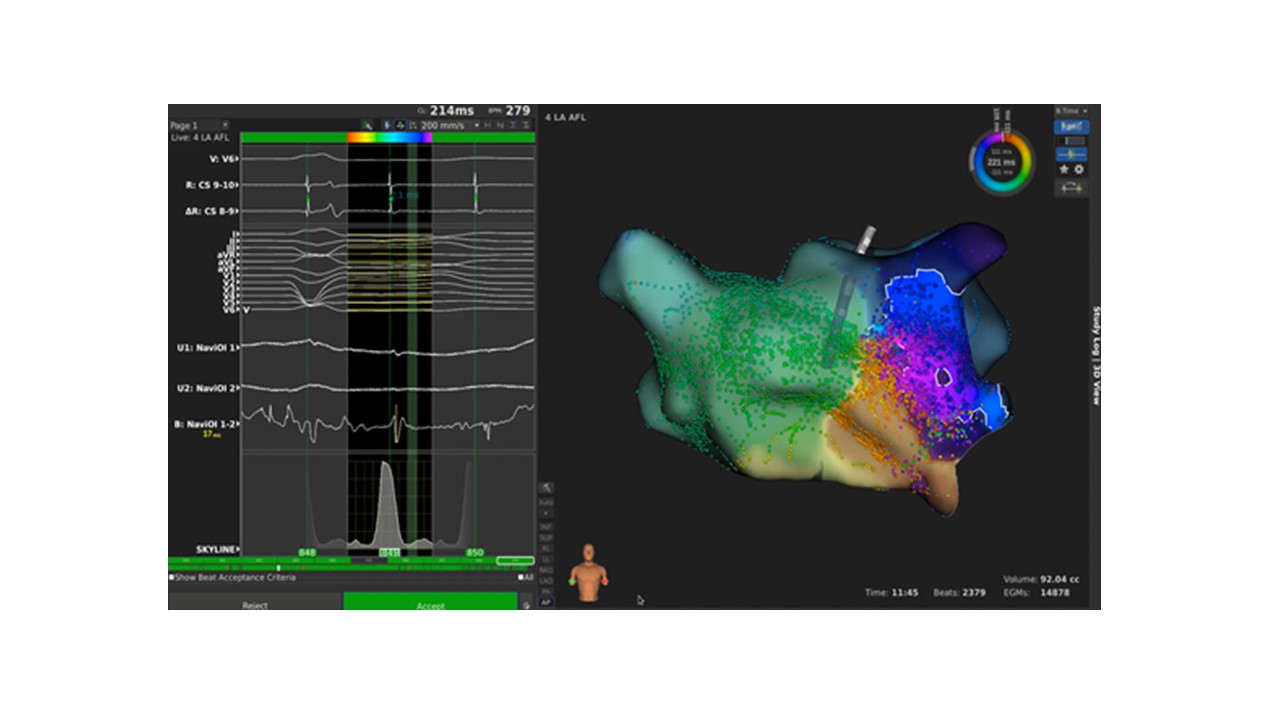
In certain arrhythmias, such as atrial flutter and atrial fibrillation, the physician may perform the procedure under general anesthesia and insert a transesophageal echocardiography probe to confirm the absence of intracardiac thrombus and to monitor cardiac status during the procedure. Under fluoroscopic guidance, diagnostic catheters are advanced into the heart and integrated with three-dimensional electroanatomical mapping to evaluate cardiac conduction properties and to induce arrhythmias when necessary. Depending on the findings, treatment may be performed using radiofrequency ablation, cryoablation, or pulsed field ablation.
During the procedure, patients may experience palpitations or a sensation of chest discomfort. Any unusual symptoms should be reported to the physician immediately. To minimize the risk of infection and avoid interference with electrical signals, patients are advised not to touch any objects or parts of their body with their hands during the procedure.
Things to be aware of AFTER CATHETER ABLATION?
During recovery, puncture wound will be compressed with sand bag for 3-6 hours. You should be rest in bed for 4-8 hours; our staff would monitor your vital signs, check pedal pulse, and observe if there was bleeding from the puncture wound. You can try some water if you do not feel nausea after the examination, but please tell our staff immediately if you feel swelling, redness and/or unusual pain near the insert site.
After you home, do not overuse the leg, which underwent the examination in the first 3 days. Take medicine regularly. If you have any discomfort or questions, don’t hesitate to come back hospital to tell your cardiologic physician.
 Facebook
 IG
IG
 YouTube