
 Switch
 Homepage
 facebook
 IG
IG
 Other Hospital
 CMUH App

From risk stratification to long-term follow-up — a personalized plan to protect your heart and brain
1. Why Is LDL-C (the “Bad” Cholesterol) So Important?
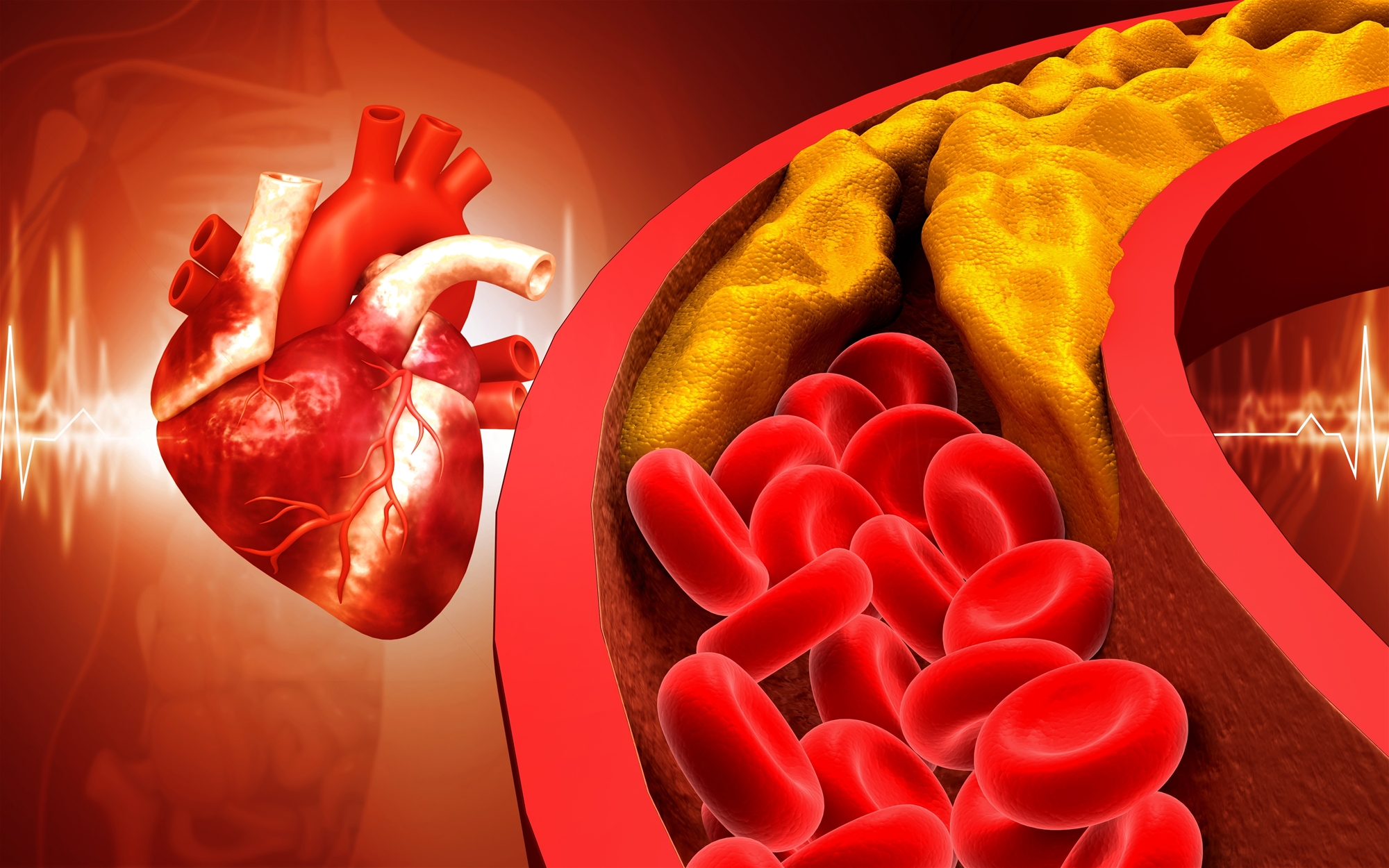
Low-density lipoprotein cholesterol (LDL-C) is what we commonly call the “bad” cholesterol. It deposits in the artery walls and gradually forms atherosclerotic plaques, making it the principal driver of myocardial infarction, stroke, and peripheral artery disease.
Large clinical trials have shown that for every 38.7 mg/dL reduction in LDL-C, the risk of major cardiovascular events drops by about 22%, coronary deaths by 20%, and all-cause mortality by 10%. Lowering cholesterol is one of the most rewarding—and best-supported—steps you can take to protect your cardiovascular health.
2. Your Risk Level — LDL-C Goals Are Personalized
Your LDL-C target is not the same as everyone else’s; it must be set according to your overall cardiovascular risk. Risk is divided into five levels, from low to extremely high:
|
Risk Level |
Defining Conditions |
LDL-C (mg/dL) |
non-HDL-C (mg/dL) |
|---|---|---|---|
|
Low |
Only 1 cardiovascular risk factor |
< 130 |
< 160 |
|
Moderate |
≥ 2 cardiovascular risk factors |
< 115 |
< 145 |
|
High |
Diabetes, chronic kidney disease, LDL-C ≥ 190 mg/dL, or coronary artery calcium (CAC) score ≥ 400 |
< 100 |
< 130 |
|
Very High |
Established atherosclerotic cardiovascular disease (myocardial infarction, stroke, peripheral artery disease, prior revascularization, or imaging showing ≥ 50% stenosis) |
< 70 |
< 100 |
|
Extremely High |
Coronary disease plus any of: myocardial infarction within the past year, multiple prior infarctions, multivessel disease, acute coronary syndrome with diabetes, or coexisting peripheral / carotid artery disease |
< 55 |
< 85 |
The “cardiovascular risk factors” referred to in the table are the following six:
- Hypertension
- Age (men ≥ 45; women ≥ 55 years)
- Family history of premature coronary disease (first-degree male relative ≤ 55, or first-degree female relative ≤ 65 years at onset)
- Low HDL-C (men < 40; women < 50 mg/dL)
- Cigarette smoking
- Metabolic syndrome (meeting at least three of: abdominal obesity, elevated blood pressure, elevated fasting glucose, elevated triglycerides, low HDL-C)
3. Treatment Strategy: Statins Are the Foundation
Statins are the most effective and best-studied medications for lowering cholesterol. Most patients begin with a moderate- to high-intensity statin. If LDL-C remains above goal after 6–8 weeks, the next steps, in order, are:
- Review medication adherence (the most commonly overlooked issue).
- Increase the statin dose, or switch to a higher-intensity statin.
- Add Ezetimibe.
- Add PCSK9 inhibitors or an ATP citrate lyase inhibitor — reserved for very-high or extremely-high-risk patients, or for those who cannot tolerate statins.
At the same time, please make sure your other cardiovascular risks are also well controlled: blood pressure < 130/80 mmHg, HbA1c < 7%, smoking cessation, weight control, and regular exercise.
4. Lifestyle — The Best Partner to Medication
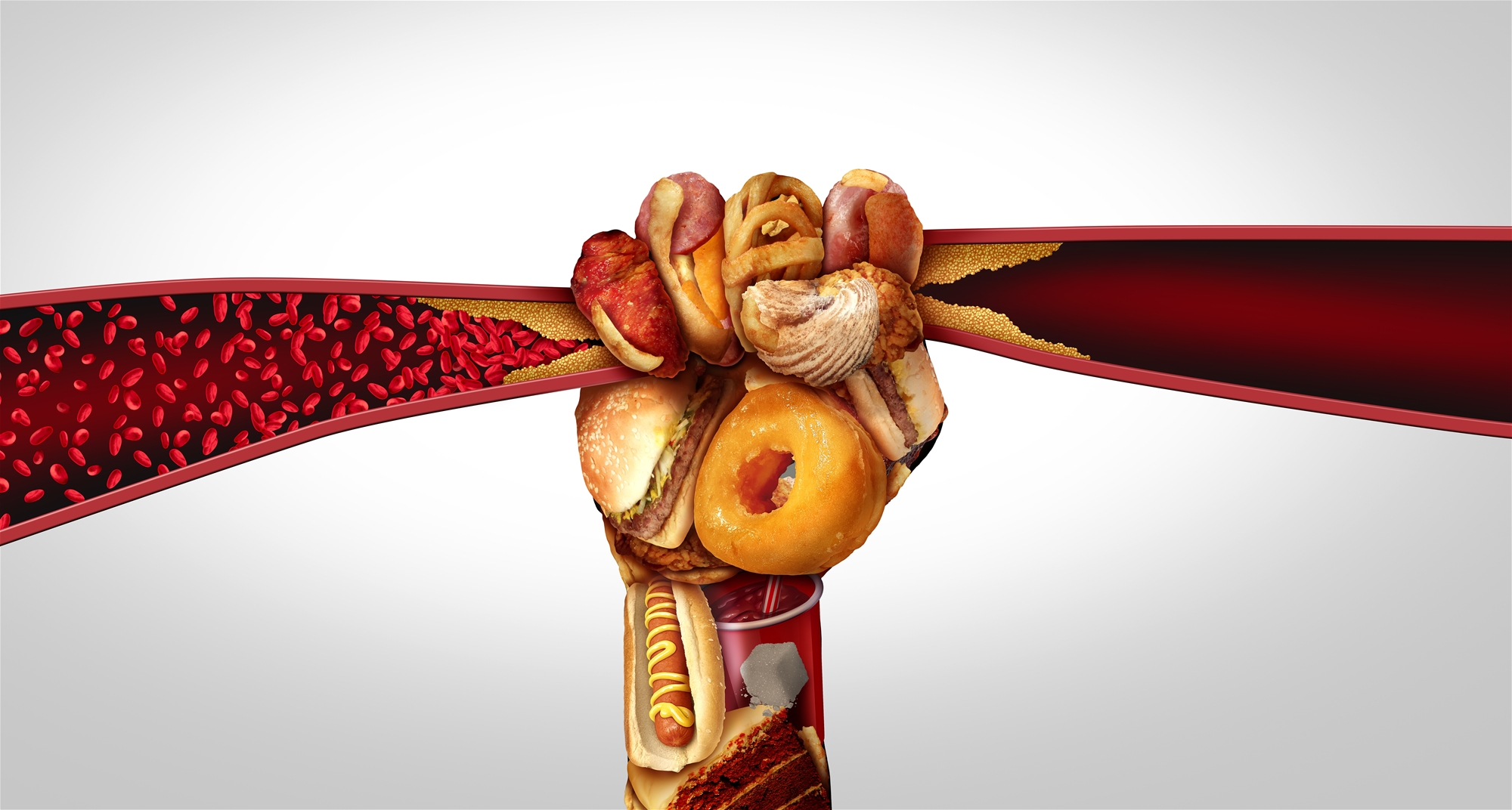
- Diet: more vegetables, fruit, whole grains, legumes, nuts, and fish; less red meat, processed meat, deep-fried foods, and sugar-sweetened beverages; avoid trans fats (commonly found in pastries, non-dairy creamer, and fast-food fryers).
- Exercise: at least 150 minutes per week of moderate-intensity aerobic exercise (such as brisk walking, swimming, or cycling), plus strength training twice a week.
- Weight: if overweight or obese, aim first for 5% weight loss; triglycerides typically improve markedly with even modest weight reduction.
5. Your Follow-Up Schedule
- Just starting therapy or after a dose change: Recheck LDL-C in 6–8 weeks to confirm the goal is met.
- High risk and above (already at goal): Recheck a complete lipid panel every 6 months.
- Low / moderate risk (already at goal): Rechecking every 6–12 months is sufficient.
6. Special Note: Familial Hypercholesterolemia
If any of the following applies to you, please tell your physician so an evaluation for familial hypercholesterolemia can be arranged:
- LDL-C ≥ 190 mg/dL
- Tendon xanthomas (especially on the Achilles tendon)
- Premature cardiovascular disease in yourself or a first-degree relative (men ≤ 55, women ≤ 65 years at onset)
In these patients, LDL-C is elevated from birth, and the cumulative damage to the vessels far exceeds that of the general population. Starting treatment early, however, dramatically improves long-term outcomes. We also recommend that your siblings and children be screened.
7. Three Key Actions, Starting Today
- Get a complete lipid panel (total cholesterol, LDL-C, HDL-C, triglycerides) drawn at the hospital.
- Discuss your risk level and LDL-C target with your physician.
- Take medication consistently, modify your lifestyle, and attend follow-up visits as recommended.
Vascular health is built up over time. The earlier you act, the more decades of high quality of life you preserve for your heart and your brain.
If you have any questions about your lipid report or treatment plan, please bring them to your next visit at the Cardiology or Family Medicine clinic.
 Facebook
 IG
IG
 YouTube