
 Switch
 Homepage
 facebook
 IG
IG
 Other Hospital
 CMUH App
Artificial Intelligence in Medicine
Intelligent anti-microbial system (i.A.M.S)
AI Prediction of Microbial Resistance, Personalized Antibiogram, Antibiotics Decision Support System, and AI-Based Prediction of Sepsis and Mortality
Sepsis remains one of the world’s leading silent killers. With mortality rates reaching 29.2%, every hour of delay in appropriate antibiotic treatment increases the risk of death by 7.6%. At the same time, the World Health Organization (WHO) has warned of a potential “superbug” crisis that could claim up to 10 million lives annually by 2050, surpassing the global impact of COVID-19. The need for rapid diagnosis and precision antimicrobial therapy has therefore never been more urgent.
In order to resolve the problems, our team produced the first and most complete “comprehensive antimicrobial system” that focuses on patients with infection and sepsis. The team is composed of the infectious disease and critical care medicine-specialized physicians, Laboratory Medicine Department, Pharmacy Department, Information Technology Department, Big Data Center, and Artificial Intelligence and Robotics Innovative Center. We organize the big data and information and use the AI prediction to help clinicians diagnose more rapidly and perform precise therapy.
The i.A.M.S. (Intelligent Antimicrobial System) integrates four core components:
- AI Automatic Supportive Sepsis Diagnosis System
- AI Prediction Antimicrobial Susceptibility Test
- Personalized antibiogram
- Intelligent Clinical Decision Support Systems (CDSS)
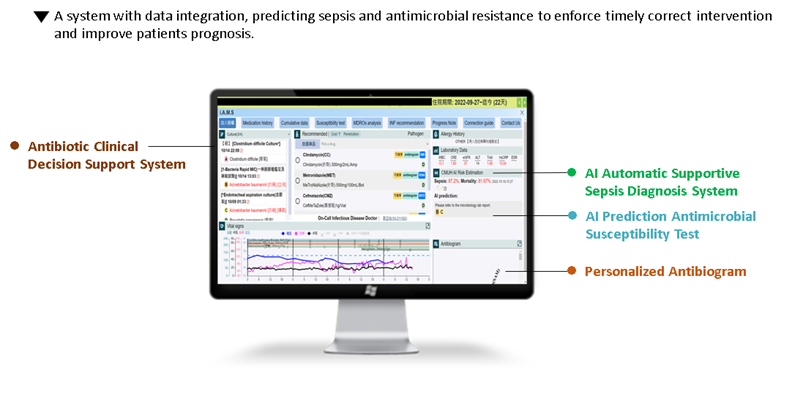
As of March 31, 2026, the platform has been implemented across hospital-wide clinical workflows, supporting more than 741,946 clinical use cases.
Physicians can now visualize 6 months of patient-specific microbiology data at a glance.
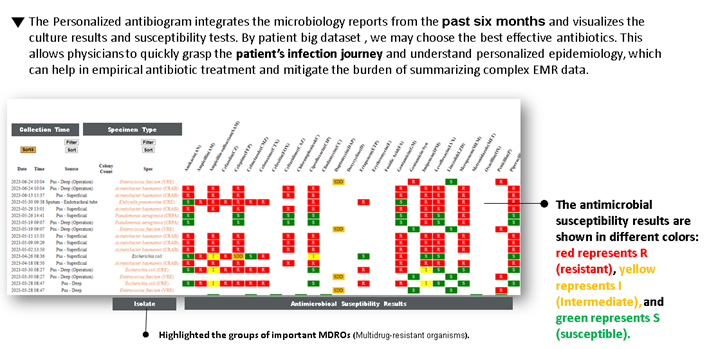
Clinical implementation of i.A.M.S. has demonstrated significant improvements in patient outcomes and antimicrobial stewardship:
- In cases involving inappropriate empirical antibiotic therapy, AI-assisted intervention reduced mortality from 40% to 28%.
- AI-augmented MALDI-TOF identification provides clinically actionable insights in a fraction of the time required by traditional laboratory methods, which may take up to four days.
- One-year survival rates increased by 5.2% following clinical implementation.
- Antibiotic near-miss dosing errors decreased from 12.1% to 0% after intervention.
- Average antibiotic costs per patient decreased by 11.57%, reflecting more targeted and efficient antimicrobial utilization.
.png)
The platform also strengthens antimicrobial stewardship. When physicians choose not to follow i.A.M.S. recommendations such as suggested dosages or dosing intervals the system automatically alerts pharmacists during prescription review. Pharmacists can then directly communicate with prescribing physicians to discuss and optimize antibiotic therapy when necessary.
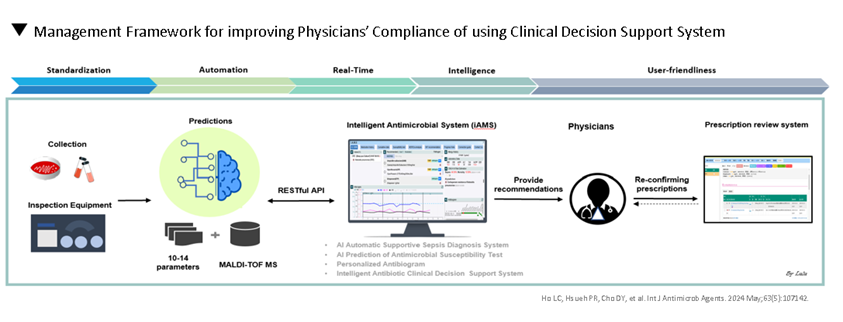
We integrated the scattered data over time, AI prediction of sepsis, and AST in a friendly platform to achieve early sepsis detection, more rapid pathogen and antimicrobial susceptibility identification, and appropriate antibiotics use. Based on the “comprehensive antimicrobial system,” our team would offer more personalized precision medicine timely with higher quality combined with gene information.
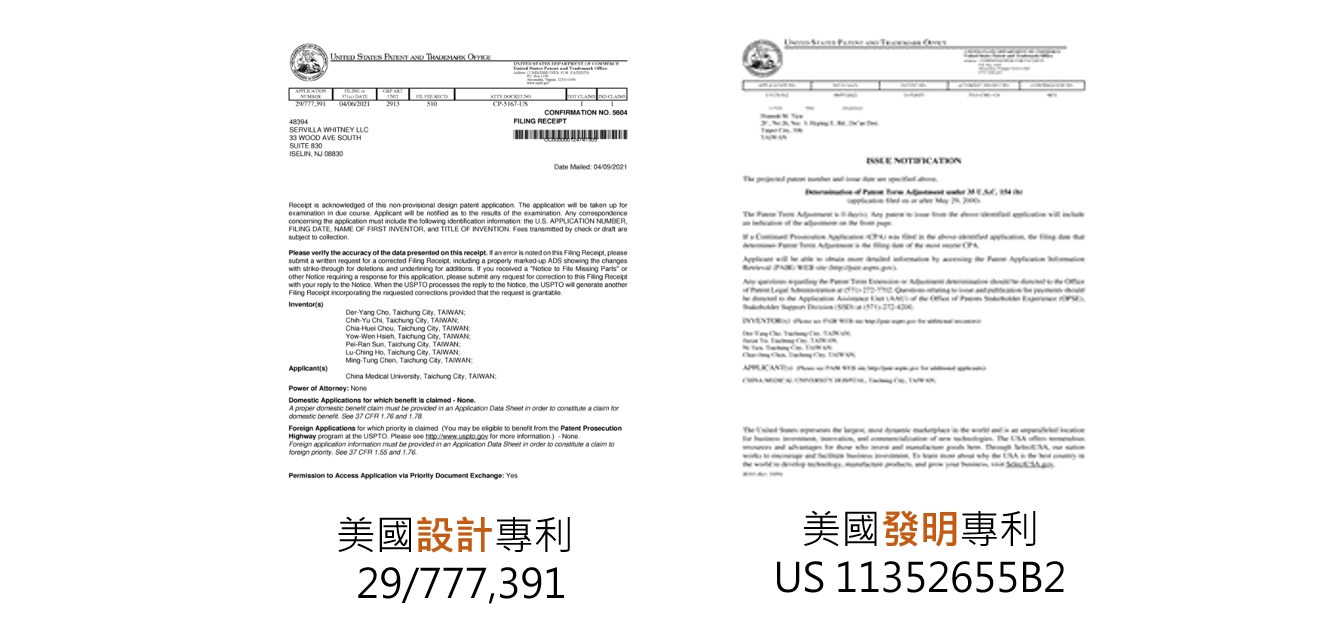
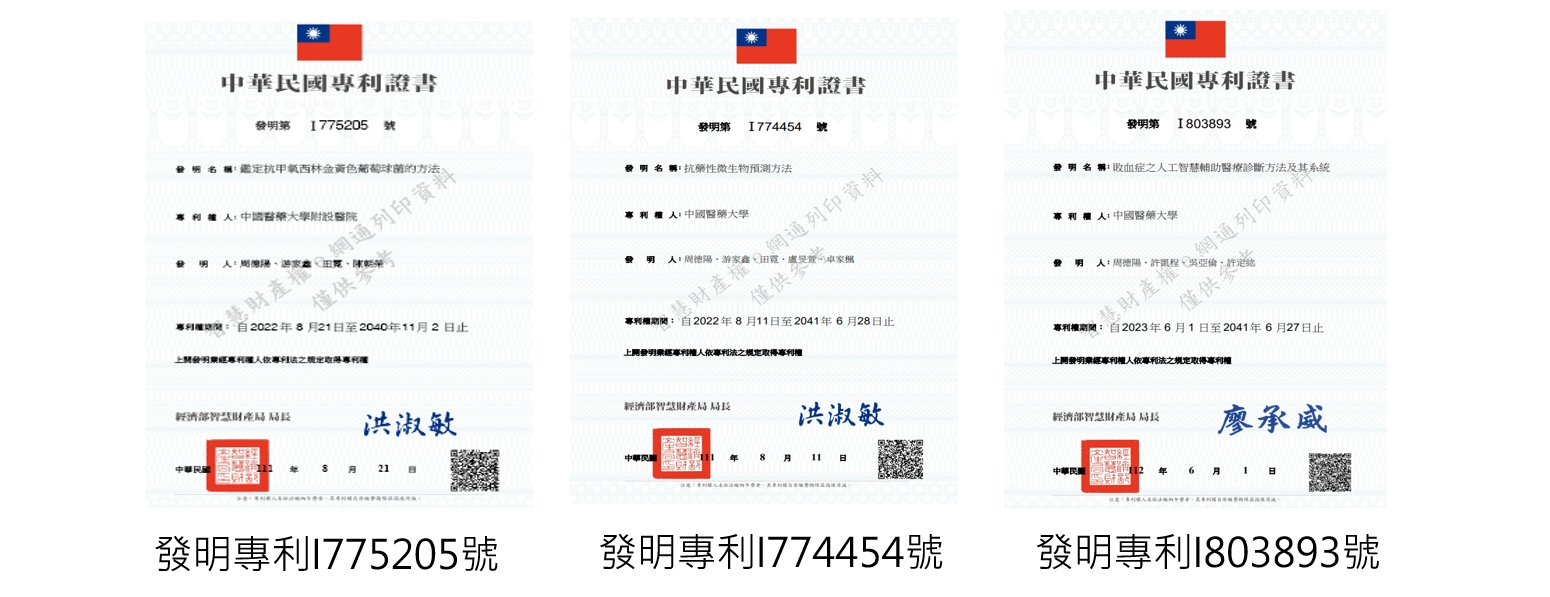
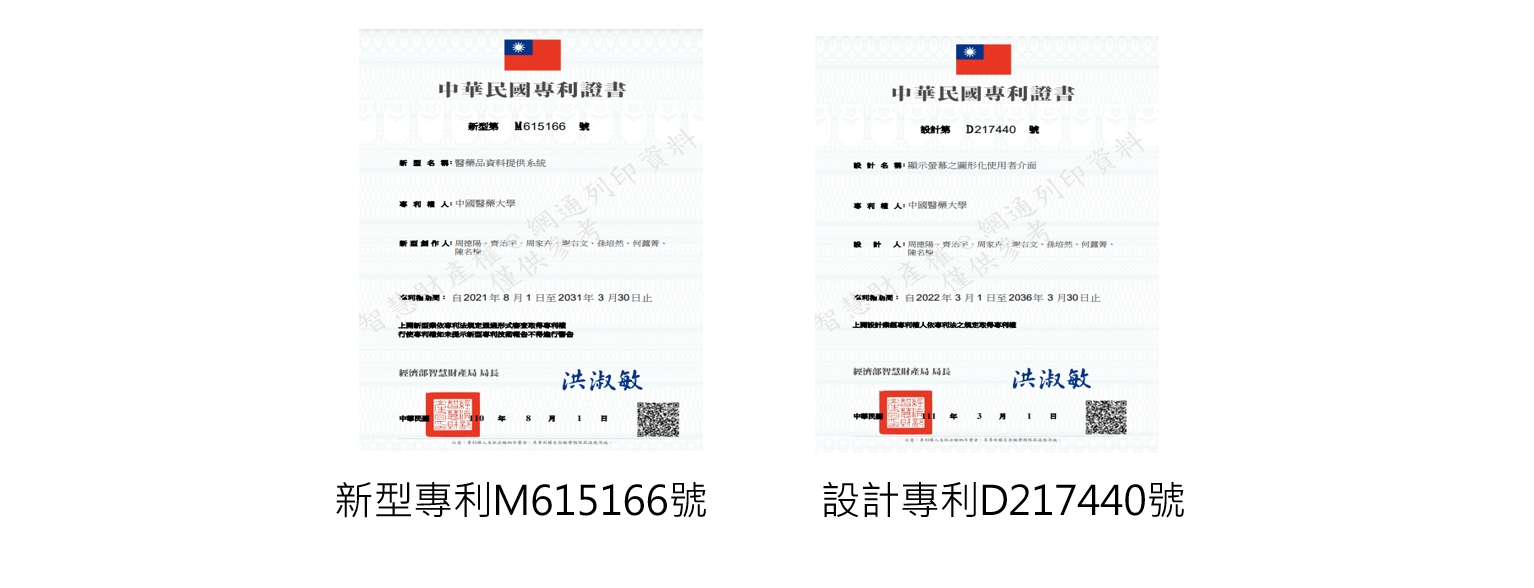
Patent
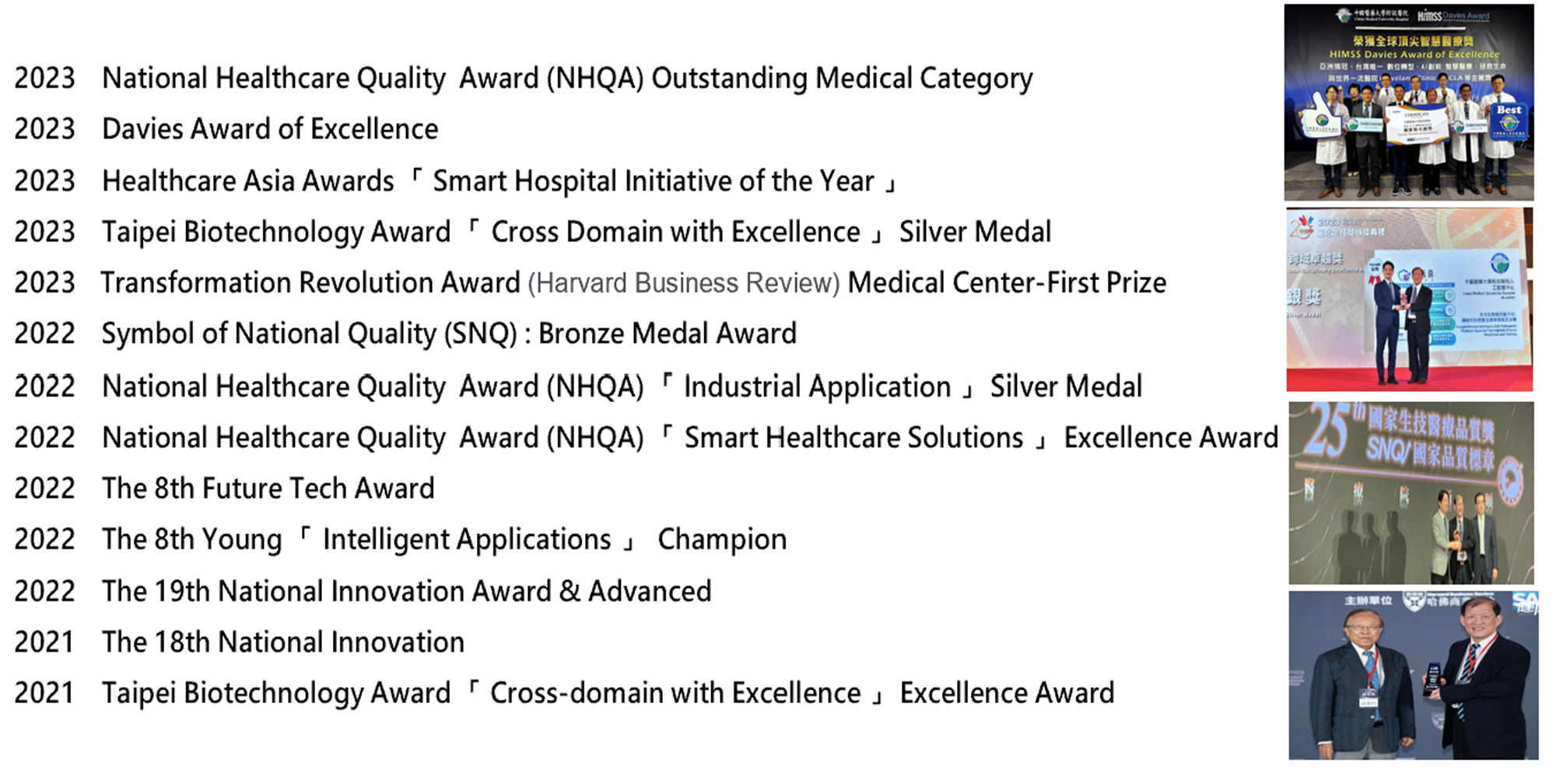
Awards and honors
 Facebook
 IG
IG
 YouTube